The Green Guardians blog
Straight-talking guides on solar, batteries, export tariffs, and getting the most from your system — no jargon, no hard sell.
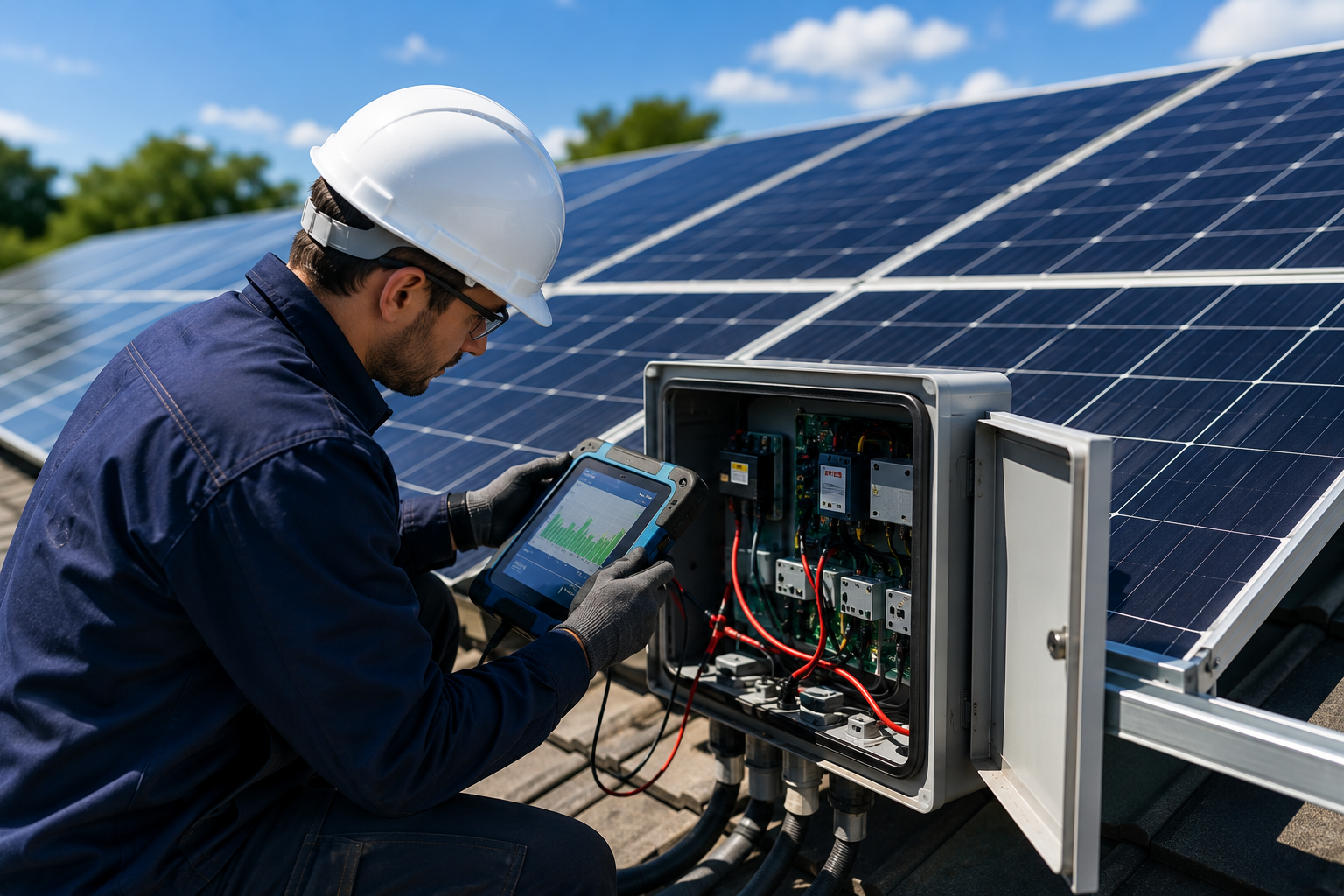
How Solar System Diagnostics Improve Efficiency & Reliability
Why regular diagnostics are essential for maintaining peak solar performance and protecting your long-term investment.
Installing solar panels is only the beginning of your renewable energy journey. To keep a system performing efficiently year after year, regular monitoring and diagnostics play a critical role. Even high-quality solar systems can experience gradual performance losses due to component wear, environmental conditions, or hidden faults.
At Green Guardians Solar, we believe that maintaining your solar system is just as important as installing it. Diagnostics help identify problems early, maximise energy production, and improve overall reliability.
What Are Solar System Diagnostics?
Solar diagnostics are detailed assessments designed to evaluate how well your solar energy system is performing. Unlike a basic visual inspection, diagnostics measure electrical output, analyse monitoring data, and detect issues affecting efficiency across panels, inverters, wiring, and batteries.
These assessments help uncover hidden problems before they develop into costly repairs or long-term energy losses.
1. Detects Underperforming Solar Panels Early
A solar panel may appear normal but still generate less energy due to dirt build-up, shading, degradation, or microcracks.
Diagnostics identify underperforming modules and allow targeted maintenance, cleaning, or replacement before output declines significantly. Early fault detection helps maintain consistent energy generation over time.
2. Improves Inverter Performance
The inverter converts electricity produced by panels into usable energy for your property. If inverter efficiency drops, total system performance drops too.
Diagnostic testing reviews inverter output, temperature behaviour, and electrical performance to identify faults before they lead to larger failures.
3. Identifies Wiring & Electrical Issues
Loose connections, corrosion, damaged connectors, and voltage irregularities can reduce efficiency or create safety risks.
Solar diagnostics help identify:
Voltage drops
Wiring faults
Corrosion issues
Connector failures
Electrical imbalance problems
Addressing these issues early improves safety and prevents avoidable downtime.
4. Prevents Gradual Efficiency Loss
Small performance issues often develop slowly and remain unnoticed for months or years.
Research shows predictive maintenance and fault detection strategies can improve efficiency while reducing maintenance costs through earlier intervention.
Without monitoring, systems may continue operating below expected output levels.
5. Supports Predictive Maintenance Instead of Reactive Repairs
Traditional maintenance waits until something breaks.
Modern solar diagnostics increasingly rely on monitoring systems, analytics, and predictive maintenance approaches that detect abnormalities before failures occur. This reduces unexpected downtime and helps extend component lifespan.
Predictive maintenance helps homeowners avoid expensive emergency repairs.
6. Improves Monitoring Accuracy
Monitoring platforms provide valuable information — but only if data is accurate.
Diagnostics verify whether sensors, monitoring apps, and communication equipment report correct production figures. Accurate data helps homeowners understand actual savings and system performance.
7. Reveals Hidden Damage After Severe Weather
Storms, strong winds, heavy rain, and temperature fluctuations can damage solar systems without obvious visible signs.
Diagnostics can detect:
Microcracks in panels
Mounting issues
Moisture intrusion
Performance inconsistencies after storms
Early detection prevents hidden damage from escalating.
8. Helps Maintain Warranty Compliance
Some warranties require evidence of proper maintenance or performance verification.
Diagnostic reports create documented records of system condition, which may support warranty claims or insurance processes if faults arise later.
9. Increases Long-Term Return on Investment
Solar systems are designed to last decades, but reduced performance lowers potential savings.
Studies show undetected solar faults can lead to meaningful energy losses over time. Monitoring and diagnostics help ensure systems continue generating expected output and maximise financial return.
Signs Your Solar System May Need Diagnostics
Consider scheduling a diagnostic assessment if you notice:
Unexpected increases in electricity bills
Lower-than-usual energy production
Inverter warning lights or alerts
Monitoring data inconsistencies
Severe weather exposure
Older systems with declining performance
Regular checks can help catch issues before they become expensive problems.
Final Thoughts
Solar systems are built for durability, but ongoing diagnostics help ensure they continue operating safely, efficiently, and reliably. Identifying faults early, validating performance data, and monitoring component health protects both your energy savings and your investment.
At Green Guardians Solar, we support homeowners beyond installation — helping maintain long-term performance through expert guidance and proactive system care.
Want to know if your solar system is performing at its best? Contact Green Guardians Solar for a professional assessment and expert support.
